







Search Results for: Altitude Classification
An In-Depth Analysis of Guatemala's Huehuetenango Region: From Geography and Terroir to the Coffee Bean Altitude Classification System
Guatemala is a major coffee-producing country in Central America, and its coffee is best known from two regions: Antigua and Huehuetenango. Starting from Guatemala's geographical environment, this article sorts out the reasons behind the formation of its seven major coffee-producing regions, with a focus on analyzing the relationship between the unique limestone soil, converging air currents, and coffee flavor of the Huehuetenango highlands, and systematically introduces the altitude grading standards for Guatemalan coffee beans. The article also mentions a rare micro-lot bean from this region at Front Street Coffee, showcasing the diverse possibilities of Huehuetenango coffee. [more…]

A Complete Guide to the Classification of Hard Beans, Soft Beans, Flat Beans, and Round Beans: Flavor Characteristics of High-Grade Panamanian Coffee
Beyond varietal differences, coffee beans have multiple classification dimensions, which gives rise to many alternative names. This article begins with the appearance-based classification of flat beans and round beans, and focuses on answering the question coffee enthusiasts often ask: what exactly does "hard bean" mean? It originates from a grading system in Central American growing regions that classifies bean hardness by cultivation altitude—the higher the altitude, the greater the density and the higher the grade. The article also shares how to judge bean hardness by feel, the roasting and brewing strategies corresponding to coffee beans of different hardness, and uses actual brewing parameters as examples to illustrate the differences in extraction between high-hardness light-roasted beans and low-hardness dark-roasted beans, helping readers find a suitable brewing approach. [more…]
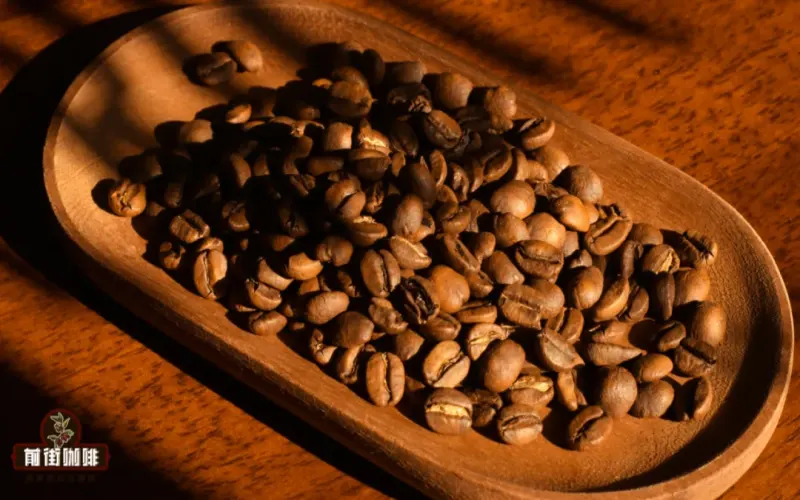
What Exactly Is the Difference Between Hard Beans and Soft Beans? A Full Breakdown of Altitude Grading Logic and Coffee Classification
Baristas often mention hard beans and soft beans, but these two terms actually do not refer to whether the beans feel hard or soft to the touch—they refer to the density of the coffee beans. The concept of hard beans comes from the Central American coffee grading system, which uses altitude as the standard—the higher the altitude, the lower the growing temperature, the slower the coffee fruit matures, the more flavor compounds it accumulates, and the greater the bean density becomes. Panama, Costa Rica, Guatemala, and other countries generally adopt this logic, while Ethiopia, because its overall altitude is high, is almost entirely made up of extremely hard beans and does not need further subdivision by altitude. Of course, although high-density beans are delicious, they also bring more challenges during grinding and brewing. [more…]
A Detailed Explanation of Costa Rica's Coffee Bean Altitude Classification System and a Recommendation of Mozart Flavor Characteristics
Costa Rican coffee is world-renowned for its balanced, clean, and mild classic style. Its acidity is bright and lively, often with citrus and berry notes, and an elegant coffee floral aroma can still be detected in the aftertaste, giving off an overall serene Latin countryside vibe. Unlike many producing regions, Costa Rica's grading method does not rely on bean size or defect rate, but directly uses the altitude at which the coffee farm is located as the basis for classification, with a total of seven grades. This article will systematically sort out the specific contents of this grading system, introduce the three most common grades in the current specialty coffee market—SHB, HB, and SH—and, combined with the typical flavor performance of the Tarrazú producing region, recommend Front Street Costa Rica Mozart coffee beans, taking you to gain an in-depth understanding of this coffee country that, although small in output, enjoys an outstanding reputation. [more…]
A Comprehensive Analysis of the Basis for Coffee Bean Specification and Grade Classification: Industry Standards from Washing Methods to Altitude Quality
The world of coffee beans is far more complex than that smudge of amber in your cup. From the small white jasmine-like flowers on the branch to the green raw beans in the processing plant, every coffee bean has undergone layer upon layer of selection by climate, altitude, variety, and processing method. There are about sixty coffee-producing countries worldwide, each grading coffee according to whether it is washed, whether the bean shape is flat or round, bean size, cultivation altitude, defect rate, and even taste tests. The two major varieties, Arabica and Robusta, each hold their own in terms of yield and flavor, while new crop, one-year-old, and multi-year-old beans each have their own character. Understanding these specifications and grading standards not only helps enthusiasts decipher the terminology on packaging, but also understand why beans from the same origin can present such a kaleidoscope of flavors. This article will start from basic common knowledge and systematically sort out the grading logic and refining process of coffee beans. [more…]
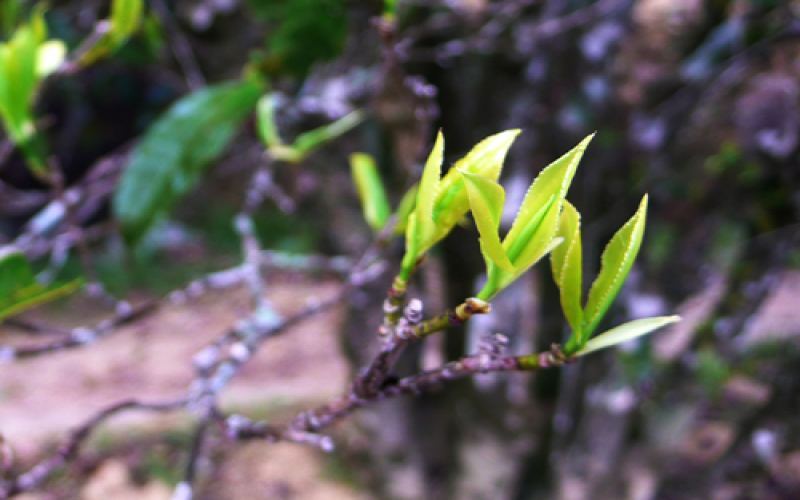
Analysis of the Aroma Characteristics of Wudong Mountain Yelai Xiang Dancong Oolong Tea: Cultivar Classification and Flavor Profile
Ye Lai Xiang Dancong is one of the most recognizably aromatic types of Phoenix Dancong, named because the finished tea's aroma resembles night-blooming jasmine flowers. This article explores the variety's classification, growing environment, production background, and flavor profile, introducing you to this oolong tea produced on Wudong Mountain in Chaozhou, handcrafted by Master Lin from single-tree ancient material. The article not only outlines the aromatic characteristics of Ye Lai Xiang Dancong but also covers Wudong Mountain's altitude and ecological conditions, as well as Master Lin's journey from self-taught tea maker to award winner. For coffee enthusiasts and tea lovers who want to deepen their understanding of the Phoenix Dancong aroma system and the allure of single-tree ancient bushes, this is a piece that offers both informative depth and tasting reference value. Front Street Coffee also continues to follow such beverages that express regional terroir. [more…]
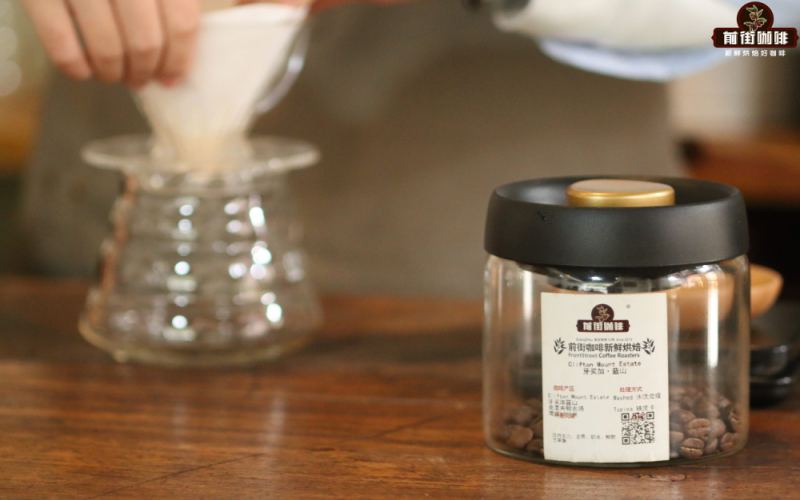
Blue Mountain Coffee: A Full Analysis of Flavor Characteristics, Grade Classification, and Differences from Regular Coffee
Blue Mountain coffee was once the pinnacle of the coffee world, and it still draws many enthusiasts on special pilgrimages to this day. As one of the few shops that sells authentic Blue Mountain coffee in person, Front Street Coffee regularly welcomes guests who come to check it out after hearing about it. Yet many people still know surprisingly little about Blue Mountain coffee. This article will take you deeper into the authentic taste profile of Blue Mountain coffee, how it differs from ordinary coffee, the classification of Blue Mountain coffee, and how Front Street uses pour-over to bring out the rich, full-bodied flavor of Blue Mountain No. 1. At the same time, we will also clarify the common chaos of fake Blue Mountain coffee on the market, and introduce the origin certification, grading standards, and brewing details of Jamaican Blue Mountain coffee. [more…]
Colombian Coffee Altitude, Varieties, and Grade Classification Analysis: From Caturra and Colombia to the Flavor Characteristics of Southern Specialty Regions
Colombian coffee is famous for its superior terroir of low latitude and high altitude, yet its varietal structure often leaves people baffled. This article starts with the two main varieties, Caturra and Colombia, published by the FNC, sorting out their respective origins, proportions, and flavor differences, and explaining that the country's overall varietal configuration has shifted from Typica to a blend of Caturra and Colombia. The article further breaks down the flavor map by altitude and region: the three major MAM regions in the center lean toward Central American fruit acidity, the northeastern Bucaramanga region is low in acidity and full-bodied, while the southern regions of Huila, Cauca, Narino, and Tolima present delicate berry aromas and caramel sweetness. Finally, it reminds buyers not to look only at the Supremo grade when purchasing, as region labeling is the key to judging quality, and includes Front Street Coffee's bean selection recommendations. [more…]
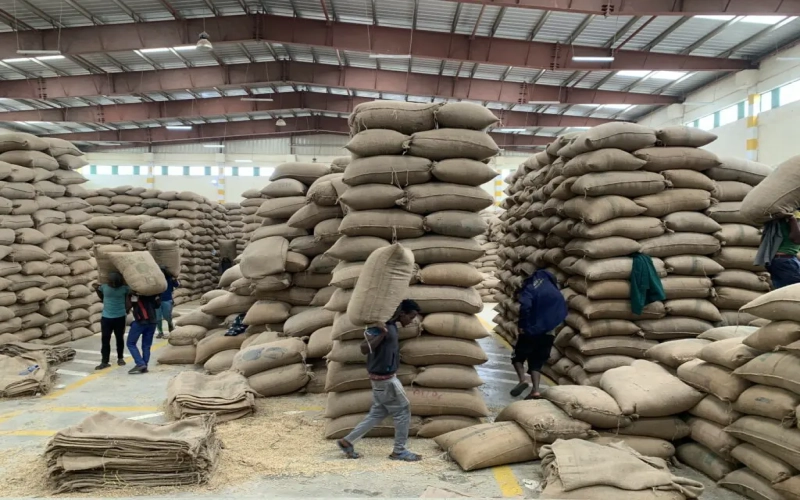
Detailed Explanation of Ethiopian Sidamo Coffee Bean Grading: Classification Standards and Differences Between G1 and G2 Grades
As an agricultural product, coffee beans' quality is influenced by many factors, so a grading system is needed to standardize quality and provide a purchasing reference for green bean buyers. Grading standards vary across producing regions: some are based on altitude, others on bean size, while Ethiopia uses a combination of defect rate and cupping. This article will provide an in-depth analysis of the meaning of the G1 and G2 grades for Ethiopian Sidamo coffee beans, explore the evolution of its grading system, and, through a comparison of Yirgacheffe G1 and G2—from appearance and roasting to cupping flavor—reveal the practical impact of grade differences on coffee quality. At the same time, Front Street Coffee's brewing recommendations will also provide you with useful reference. [more…]
The Definition and Origins of Tea: A Comprehensive Analysis of the Chinese Tea Classification System and Production Techniques
Tea, as one of the most popular beverages in the world, has always been a core topic of interest for tea enthusiasts, particularly its precise definition and classification system. This article will start from the essence of tea leaves, systematically outline the classification criteria for Chinese tea, trace the historical journey of tea from China to the world, and provide a detailed analysis of the complete production process from tea cultivation to leaf picking. Additionally, it will explain the differences between true tea and herbal teas, as well as the impact of key steps such as high-altitude cultivation and hand-picking on tea quality. Whether you are a coffee enthusiast just starting out or a seasoned drinker with extensive knowledge of tea culture, you will gain clear and professional insights from this. [more…]
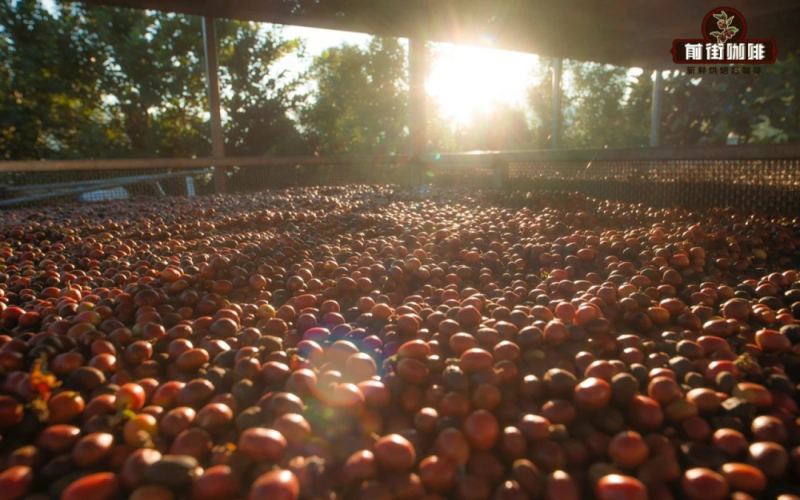
A Complete Analysis of the Three Major Coffee Varieties: Distinguishing Large-Bean, Medium-Bean, and Small-Bean Coffee and the Classification of Yunnan Small-Bean Coffee
The coffee world is vast and complex. Under botanical classification alone, there are more than a hundred species, yet the cultivated varieties actually used for drinking mainly fall into three major categories: Arabica (small-bean), Robusta (medium-bean), and Liberica (large-bean). Each possesses unique botanical characteristics, growing conditions, and flavor profiles, and their yields and commercial value differ greatly. Yunnan, as China's representative coffee-producing region, grows coffee that belongs to which category? Why is it called "Yunnan small-bean coffee"? This article will systematically outline the key distinctions among the three major coffee varieties, provide an in-depth answer to the varietal classification of Yunnan small-bean coffee, and also present Front Street Coffee's Yunnan Typica and espresso blend recommendations. [more…]
Overview of Jamaica Blue Mountain Coffee's Origin, Green Bean Grade Classification, and Blue Mountain Estate Bean Details
Jamaican Blue Mountain coffee is globally recognized as one of the top-tier coffees, but many people are not clear that its grading system is actually different from the commonly seen Grade 1. Front Street Coffee takes you through the origins and background of Jamaican Blue Mountain, as well as the three major categories and seven export grades of Blue Mountain coffee classified by altitude and bean size. From Blue Mountain No. 1 to Blue Mountain Peaberry, each grade has strict regulations on screen size and defect bean ratio. This article will provide a detailed analysis of the grading standards for Jamaican Blue Mountain green beans, helping coffee enthusiasts gain a more accurate understanding of this legendary production region. [more…]

A Panoramic Overview of Costa Rican Coffee: Terroir, Variety Classification, and Flavor Profiles
Although Costa Rica is not a large country, it occupies a pivotal position in the specialty coffee landscape. This article systematically organizes everything from the national background, coffee history, growing conditions, variety selection, processing methods, and grading system to the eight major producing regions, giving you a comprehensive understanding of this Central American coffee powerhouse. The article also introduces the SHB, GHB, and MHB grading standards based on altitude and bean density, analyzes the unique advantages of the two star producing regions Tarrazú and Tres Ríos, and includes related product information recommended by Front Street Coffee, making it suitable for enthusiasts who want to gain a deeper understanding of Costa Rican coffee. [more…]
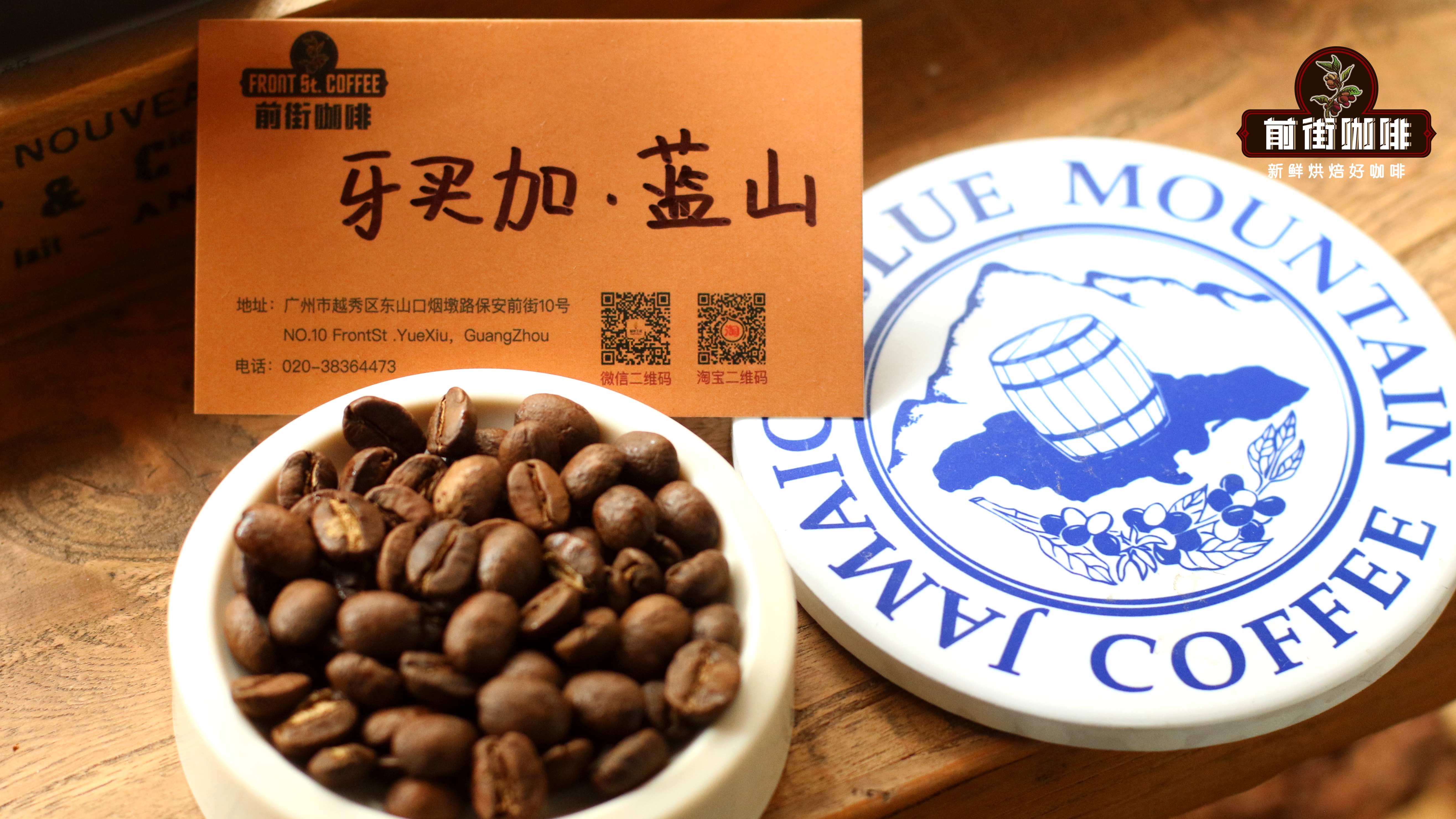
Top Ten Specialty Coffee Bean Brands in the World: A Guide to Common Varieties, Flavor Profiles, and Grade Classification
The world of specialty coffee is wonderfully diverse, from the classic balance of Jamaican Blue Mountain to the rich intensity of Indonesian Mandheling, and the floral-citrus notes of Ethiopian Yirgacheffe—each origin has its own unique charm. This article selects the world's ten most representative specialty coffee bean brands, covering Front Street Blue Mountain No. 1, Front Street Golden Mandheling, Front Street Yirgacheffe, Front Street Brazil Queen's Estate, Front Street Colombia Pink Bourbon, Front Street Kenya Little Tomato, and Front Street Panama Boquete Geisha, among others, detailing each coffee's origin, altitude, variety, processing method, and flavor characteristics, helping coffee lovers gain a comprehensive understanding of specialty coffee bean varieties, characteristics, and grade classifications, and find the cup that best suits their taste. [more…]
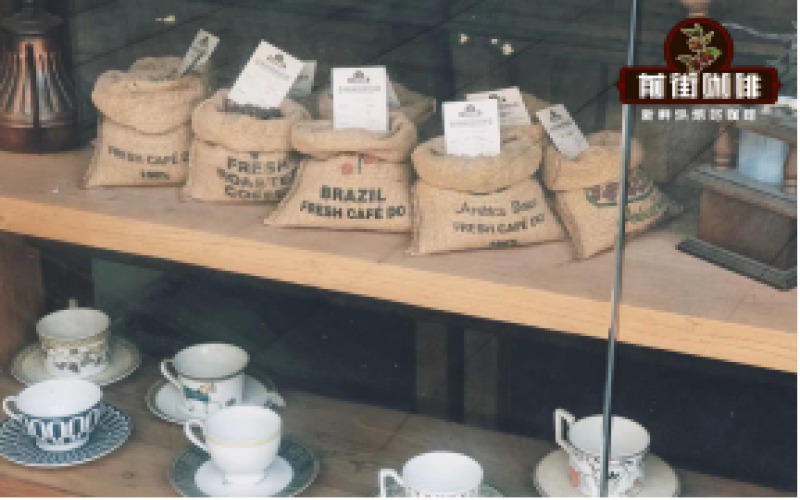
Ethiopian Yirgacheffe Specialty Coffee Flavor Analysis and Explanation of G1 to G4 Grade Classification
When it comes to African specialty coffee, Yirgacheffe is undoubtedly a name that cannot be avoided. It is both a producing region in Ethiopia and represents the benchmark standard for the country's specialty coffee. This land is located at an altitude of about 1,800 to 2,000 meters, making it one of the highest coffee-growing areas in Ethiopia. It is precisely such unique geographical conditions that give rise to coffee flavors with citrus notes and rich floral aromas. In terms of green bean processing, Yirgacheffe is mainly divided into two directions: natural and washed. Natural processing gives the cup a fuller and sweeter mouthfeel, while washed processing brings a clearer aroma expression. At the same time, the washed process can also shorten the processing cycle from one to two months to three to five days. In addition, Yirgacheffe is classified into different grades such as G1 to G4 according to the degree of defects, and the smaller the number, the better the quality. This article will provide a comprehensive understanding of this coffee from aspects such as flavor characteristics, processing methods, and the grading system. If you have not yet tasted Yirgacheffe, you may wish to add it to your list for next time, for example, the Yirgacheffe produced by Front Street Coffee is worth paying attention to. [more…]
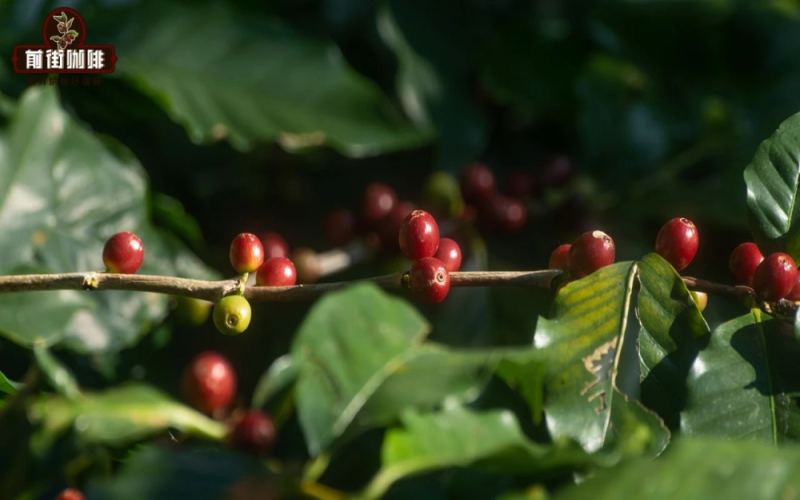
A Comprehensive Analysis of Yunnan Arabica Coffee Bean Variety Classification and Its Application in Espresso Blending and Roasting
Why is Yunnan coffee called "small bean"? Does it actually belong to the Arabica variety? Starting from variety classification, this article sorts out the geographical growing conditions and traditional washed processing methods of Yunnan coffee, and takes an in-depth look at its role in espresso blending. With its complex flavors of nuts, herbs, chocolate, and brown sugar, along with a lively, bright acidity, Yunnan small bean coffee has become an excellent choice as a base bean for blending. The article also specifically introduces the flavor performance of Front Street Yunnan Small Bean Washed beans, and how Front Street Dark Cocoa Blend combines Yunnan and Brazilian coffee to create an espresso experience with balanced acidity, sweetness, and bitterness. [more…]
Coffee Encyclopedia: A Complete Analysis of Global Coffee Bean Species Classification, Major Producing Regions, and the Flavor Characteristics of Classic Bean Varieties
The world of coffee beans is far richer than we might imagine. From the three botanical original species—Arabica, Robusta, and Liberica—to dozens of origins across Latin America, Africa, the Middle East, and Asia-Pacific, and on to classic single-origin beans such as Blue Mountain, Mandheling, and Mocha, every bean carries the imprint of its terroir and craftsmanship. This article systematically sorts through the original species classification of coffee beans, the world's major producing regions, and representative bean varieties, and explains in detail the taste characteristics and roasting suggestions of famous coffee beans. Whether you are a beginner enthusiast or a seasoned player, this guide can help you understand the cup of coffee in your hands more clearly. If you want to put it into practice, you can follow Front Street Coffee's related product recommendations. [more…]
Where does high-mountain purple black tea come from? An analysis of the anthocyanin content and variety classification of Yunnan Lincang purple tea
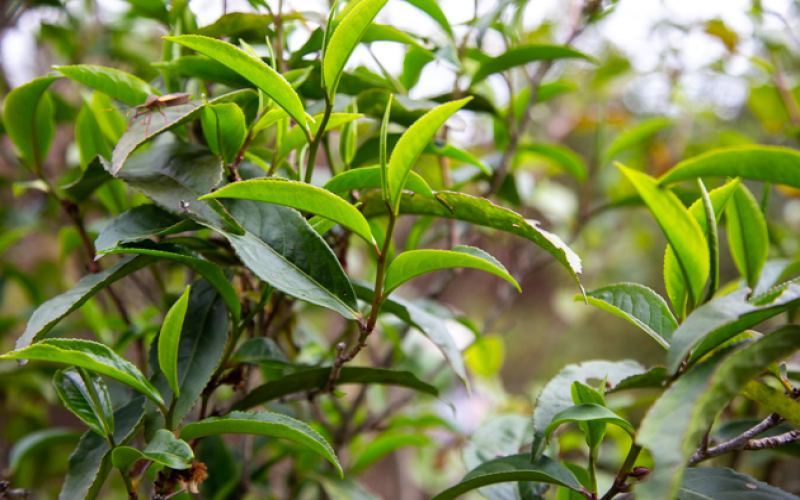
Purple tea, a rare tea variety that grows sporadically in high-altitude areas such as Lincang and Baoshan in Yunnan, is distinguished from ordinary tea plants by its purple stems. The anthocyanins it contains give the finished tea a deep color, while its aroma carries a refreshing perilla-like note along with floral fragrance. Locally, purple tea is mostly made into raw Pu'er tea, but through customized processing, it can also be made into black tea and white tea. The high-mountain purple black tea recommended by Front Street this time uses purple tea material from an altitude of about 2,100 meters, grown without fertilizer or pesticides, and after 24 hours of thorough withering, it presents an unprecedentedly rich aroma. This article will guide you through the growing environment of purple tea, its varietal characteristics, anthocyanin content, and suggestions for drinking and storage. [more…]
A Complete Analysis of the Differences Between Arabica and Robusta: Variety Classification, Caffeine Content, and Growing Altitude Conditions Explained
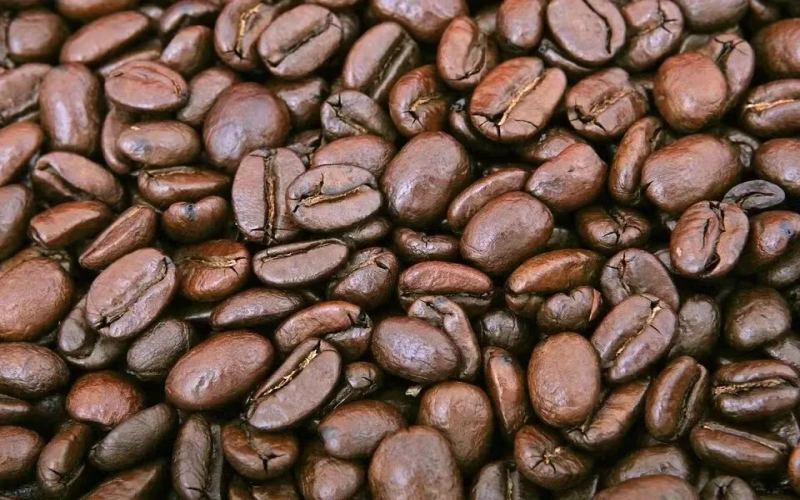
When purchasing coffee products, what exactly does the word "Arabica" commonly seen on packaging mean? Does 100% pure Arabica necessarily indicate better quality? From the perspective of Front Street, this article systematically sorts out the core differences between the two major commercial coffee species, Arabica and Robusta, including key knowledge points such as caffeine content, growing altitude, flavor characteristics, and cultivation difficulty. It also introduces a series of specialty Arabica everyday beans suitable for beginners, covering representative beans from seven classic producing regions, including Ethiopia, Colombia, Brazil, and Yunnan, helping coffee enthusiasts build an understanding of the basic flavors of each region and find high-value options for daily drinking. [more…]

What Is the Difference Between Jamaican Blue Mountain and High Mountain Coffee? A Comprehensive Guide from Altitude Classification to Barrel Packaging
Though both are grown in Jamaica's Blue Mountains, Blue Mountain Coffee and High Mountain Coffee are not the same variety—altitude differences determine their identity and grade. Blue Mountain Coffee is limited to elevations between 900 and 1,700 meters, while High Mountain Coffee comes from the 450 to 900 meter zone. Blue Mountain Coffee is further classified into grades one, two, and three based on bean screen size; top-grade Blue Mountain No. 1 requires screen size 17 and above with a defect rate below 2%. Its distinctive wooden barrel packaging and official certification certificates further enhance the prestige of authentic Blue Mountain Coffee. Front Street Coffee selects Blue Mountain No. 1 from Clifton Estate, presenting a balanced flavor of dark chocolate, nuts, and creamy smoothness through a medium-dark roast. This article will guide you through a comprehensive understanding of the differences between the two, identification methods, and brewing key points. [more…]